ANNIE ALLEN (UK Bureau Chief)
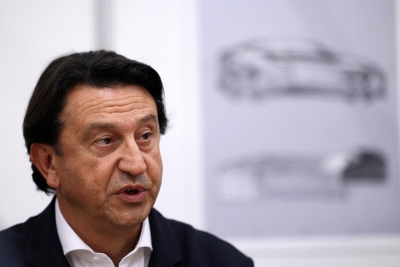
Chinese automakers could rapidly reshape the U.S. car market if Washington relaxes tariffs and other barriers, Hyundai Motor CEO Jose Munoz has warned, pointing to Europe’s experience as a possible preview.
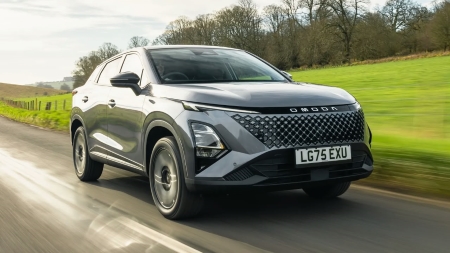
Munoz said Chinese brands have already made significant inroads across European markets by selling vehicles at prices that can be 30% to 40% below competing models in countries such as Italy, Spain and France.
The aggressive pricing has put pressure on established manufacturers, including Hyundai and Volkswagen, as Chinese automakers expand their market share and challenge traditional industry players.
Munoz said the United States could face a similar situation unless it maintains measures designed to restrict or regulate Chinese vehicle imports.
“The impact is going to be there for sure,” he said, arguing that Washington would need to impose conditions on Chinese automakers to minimise the disruption to the domestic industry.
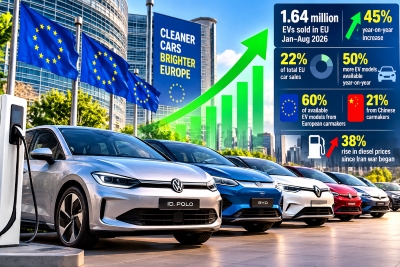
The warning comes as Chinese brands continue to gain ground in Europe. Chinese-branded vehicles accounted for more than 9% of new car sales in the European Union during the first half of this year, according to the European Automobile Manufacturers’ Association.
In Britain, where similar EU tariffs do not apply, Chinese brands accounted for about 15% of new vehicle registrations earlier this year, according to the Society of Motor Manufacturers and Traders.
The European Union has imposed tariffs or minimum-price commitments on Chinese-built electric vehicles after concluding that government subsidies gave them an unfair advantage. Brussels is also preparing “Made in Europe” rules requiring minimum levels of local content for EVs sold within the bloc.
Munoz said Britain’s experience showed what could happen in a market without comparable barriers.
“The UK … has become like China,” he said, noting that Chinese brands now occupy many of the top-selling positions there.
The United States currently imposes tariffs of about 100% on Chinese electric vehicles, effectively keeping most Chinese EV imports out of the market. However, President Donald Trump has said he would welcome Chinese automakers if they establish manufacturing operations in the United States.
Munoz’s warning echoes concerns from Detroit’s major automakers. Ford CEO Jim Farley told employees in July that the company was preparing for the possibility of Chinese automakers entering the U.S. market within the next five to 10 years.
Having previously overseen Nissan’s China operations, Munoz acknowledged the rapid progress of China’s automotive industry, particularly in technology and innovation.
“The level of innovation, the level of improvement, the technology is unbelievable,” he said.
Meanwhile, Hyundai is delaying the introduction of its own advanced Level 2++ driver-assistance technology, pushing the planned launch of vehicles using the system to late 2029 from the earlier late-2027 target.
The company is working with Nvidia to introduce Level 2+ and Level 2++ systems in vehicles from 2028 while it continues developing its proprietary technology.
Munoz said Hyundai ultimately intends to develop key technologies internally, including autonomous-driving systems and batteries, although strategic partnerships may be used during the development process.
The Hyundai Motor Group also owns U.S.-based autonomous vehicle company Motional.
©Copyright MOTORING WORLD INTERNATIONAL. All rights reserved. Materials, photographs, illustrations and other digital content on this website, may not be reproduced, published, broadcast, rewritten or redistributed in whole or in part without prior written permission from Motoring World International
Contact: editor@motoringworldng.com