ANNIE ALLEN (UK Bureau Chief)
Global oil prices fell sharply on Monday, with Brent crude briefly dropping below $100 a barrel as investors reacted to signs of potentially increased Saudi exports and hopes for diplomatic movement between the United States and Iran.
Brent crude futures for November fell as low as $99.51 per barrel, marking their lowest level since September 9 and a decline of about 4.2% at one point during trading. U.S. crude also dropped below $96 a barrel.
The price slide came despite continued hostilities in the Middle East, highlighting the market’s growing focus on the possibility that disrupted oil supplies could begin recovering.
A major factor weighing on prices was evidence that Saudi Arabia is finding alternative ways to move crude after attacks disrupted its East-West pipeline and affected shipments through the Red Sea port of Yanbu.
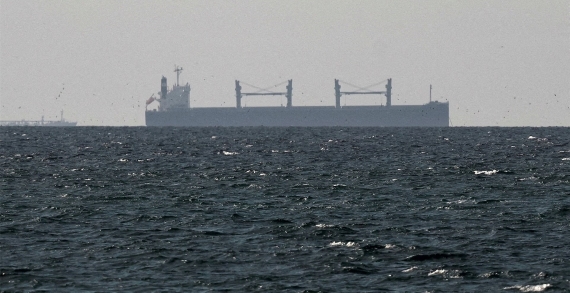
Saudi Aramco reportedly loaded about 14 million barrels of crude onto seven very large crude carriers at Ras Tanura on Sunday, suggesting a partial recovery in exports.
Satellite data also showed Saudi crude shipments through the Strait of Hormuz averaging about 2.9 million barrels per day over the previous six days, sharply higher than the 700,000 barrels per day recorded in August.
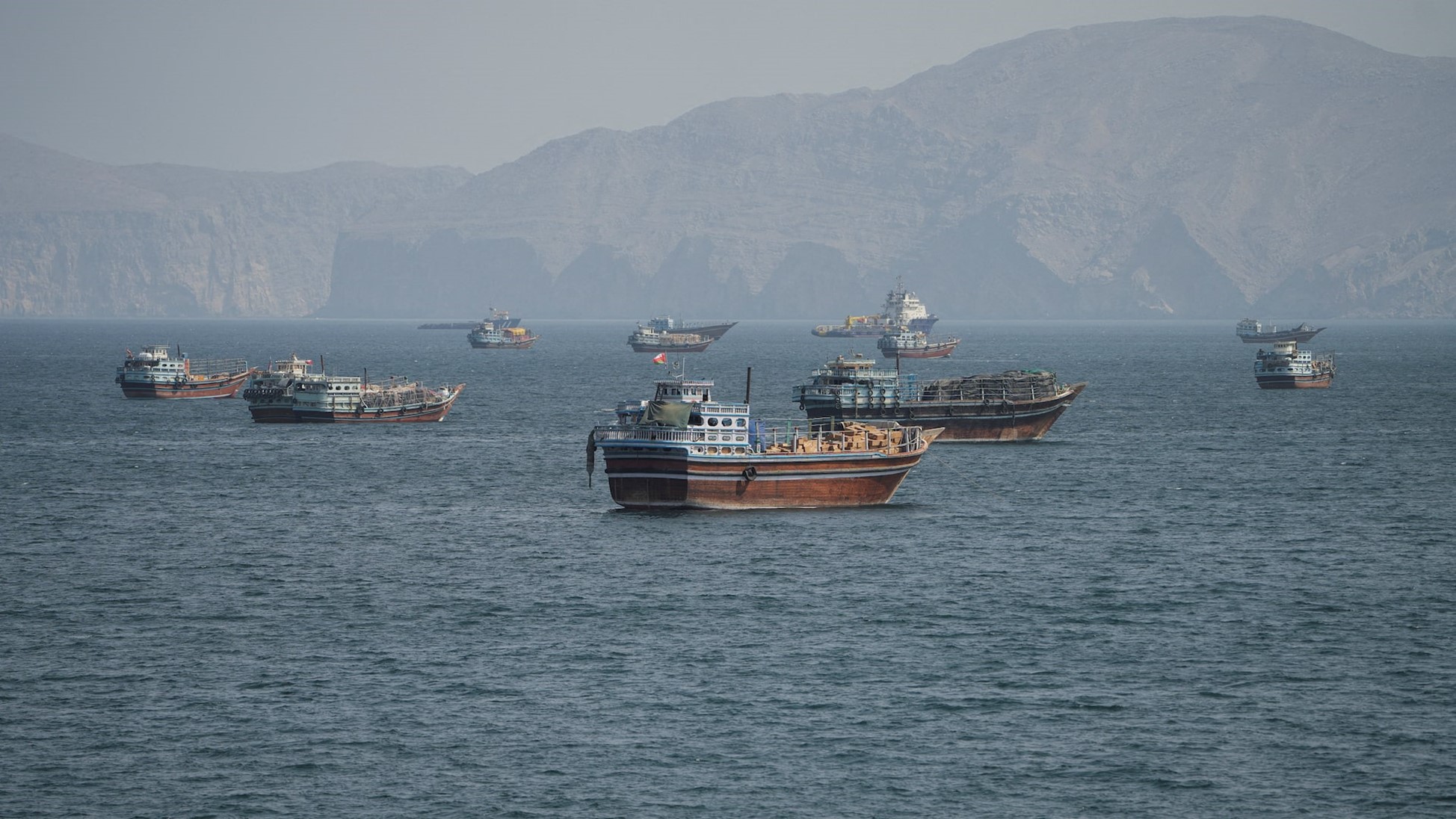
The development has helped calm fears of a deeper supply disruption, even though shipping through the Strait of Hormuz remains severely constrained compared with pre-conflict levels.
Markets are also watching this week’s United Nations General Assembly in New York for any diplomatic opening between Washington and Tehran.
U.S. President Donald Trump has said he would be open to meeting Iranian President Masoud Pezeshkian, who is expected in New York for the UN gathering. Iran has also reportedly communicated conditions through mediators for returning to negotiations.
However, military tensions remain high. Iran and the United States exchanged fresh threats, while Yemen’s Iran-backed Houthis claimed attacks on Riyadh and a Saudi Aramco facility in Yanbu.
Despite Monday’s sharp decline, the global oil market remains exposed to further disruption.
Only 17 commodity vessels transited the Strait of Hormuz over the weekend, compared with 37 the previous week and an estimated pre-war average of about 125 vessels daily.
Meanwhile, Saudi Arabia is increasingly relying on alternative shipping arrangements, including ship-to-ship transfers, to maintain crude exports amid the disruption of conventional routes.
For now, however, the prospect of additional Saudi supplies and possible US-Iran diplomatic engagement has given oil traders a reason to sell, pushing Brent temporarily below the psychologically important $100 threshold.
©Copyright MOTORING WORLD INTERNATIONAL. All rights reserved. Materials, photographs, illustrations and other digital content on this website, may not be reproduced, published, broadcast, rewritten or redistributed in whole or in part without prior written permission from Motoring World International
Contact: editor@motoringworldng.com