ANNIE ALLEN
The Trump administration’s latest fuel-economy rollback is being sold as “consumer choice,” but critics say it is really steering America backward, toward higher emissions, higher fuel costs, and even the resurrection of outdated station wagons.
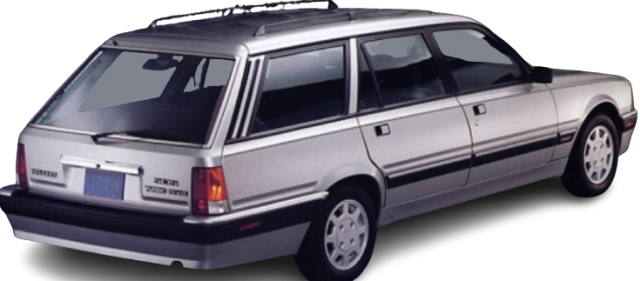
Transportation Secretary Sean Duffy tried to give the proposal a nostalgic spin on CNBC, joking that relaxed standards could “bring back the 1970s station wagon” complete with wood paneling. But behind the humor lies a policy shift that even the government admits could reverse decades of automotive progress. The National Highway Traffic Safety Administration (NHTSA) noted in its own proposal that past regulations pushed automakers to build cleaner, more efficient vehicles, effectively phasing out gas-guzzling wagons that no longer met modern standards.
Those changes weren’t accidental. Detroit’s major automakers abandoned full-size wagons in the 1990s, and the last smaller American wagons disappeared by 2008—replaced by more efficient models and evolving consumer priorities. Now, instead of pushing innovation forward, the administration is weakening the very rules that encouraged it.
Under the new proposal, NHTSA wants to slash fuel-economy targets for 2022–2031 from 50.4 mpg to just 34.5 mpg. The agency claims the rollback will cut upfront vehicle prices by about $930, but its own analysis shows the long-term cost to Americans would be far greater. By 2050, fuel use would surge by an additional 100 billion gallons, costing households up to $185 billion more at the pump and increasing carbon emissions by roughly 5%.
This comes at a time when transportation is already the largest source of U.S. greenhouse gas emissions. Yet earlier this year, Trump signed legislation eliminating penalties for automakers that fail to meet fuel-economy rules. NHTSA confirmed carmakers will face zero fines dating back to 2022—effectively rewarding non-compliance and removing any incentive to produce cleaner vehicles.
Instead of reinforcing America’s push for cleaner technology, the administration’s policy shift appears to embrace nostalgia over necessity. Critics argue it will saddle consumers with higher fuel costs, slow the transition to lower-emission vehicles, and revive inefficient relics of the past.
In short: while the world races toward greener mobility, the U.S. seems determined to shift into reverse.
©Copyright MOTORING WORLD INTERNATIONAL.
All rights reserved. Materials, photographs, illustrations and other digital content on this website, may not be reproduced, published, broadcast, rewritten or redistributed in whole or in part without prior written permission from Motoring World International
Contact: editor.motoringworldng@gmail.com