ANNIE ALLEN (UK Bureau Chief)
Global oil prices whipsawed on Monday as hopes of renewed diplomatic engagement between the United States and Iran briefly eased fears of supply disruptions, even as escalating hostilities in the Middle East continued to rattle energy markets and drive fuel prices higher.
Brent crude initially surged to a more than one-month high of $91.42 per barrel on concerns that worsening conflict around the Strait of Hormuz could choke global oil supplies. However, prices later surrendered those gains after Iran signalled it was open to fresh negotiations with Washington through international mediators.
By mid-morning, Brent crude had slipped to $87.94 per barrel, while U.S. West Texas Intermediate (WTI) crude fell to $81.81, reversing earlier advances.
The sudden turnaround followed comments by Iran’s Foreign Ministry spokesman, Esmaeil Baghaei, who disclosed that intermediaries had recently conveyed new proposals from the United States, suggesting that negotiations could proceed if they aligned with Iran’s national interests.
The diplomatic overture temporarily calmed traders who had been pricing in the possibility of a prolonged disruption to one of the world’s most critical oil shipping routes.
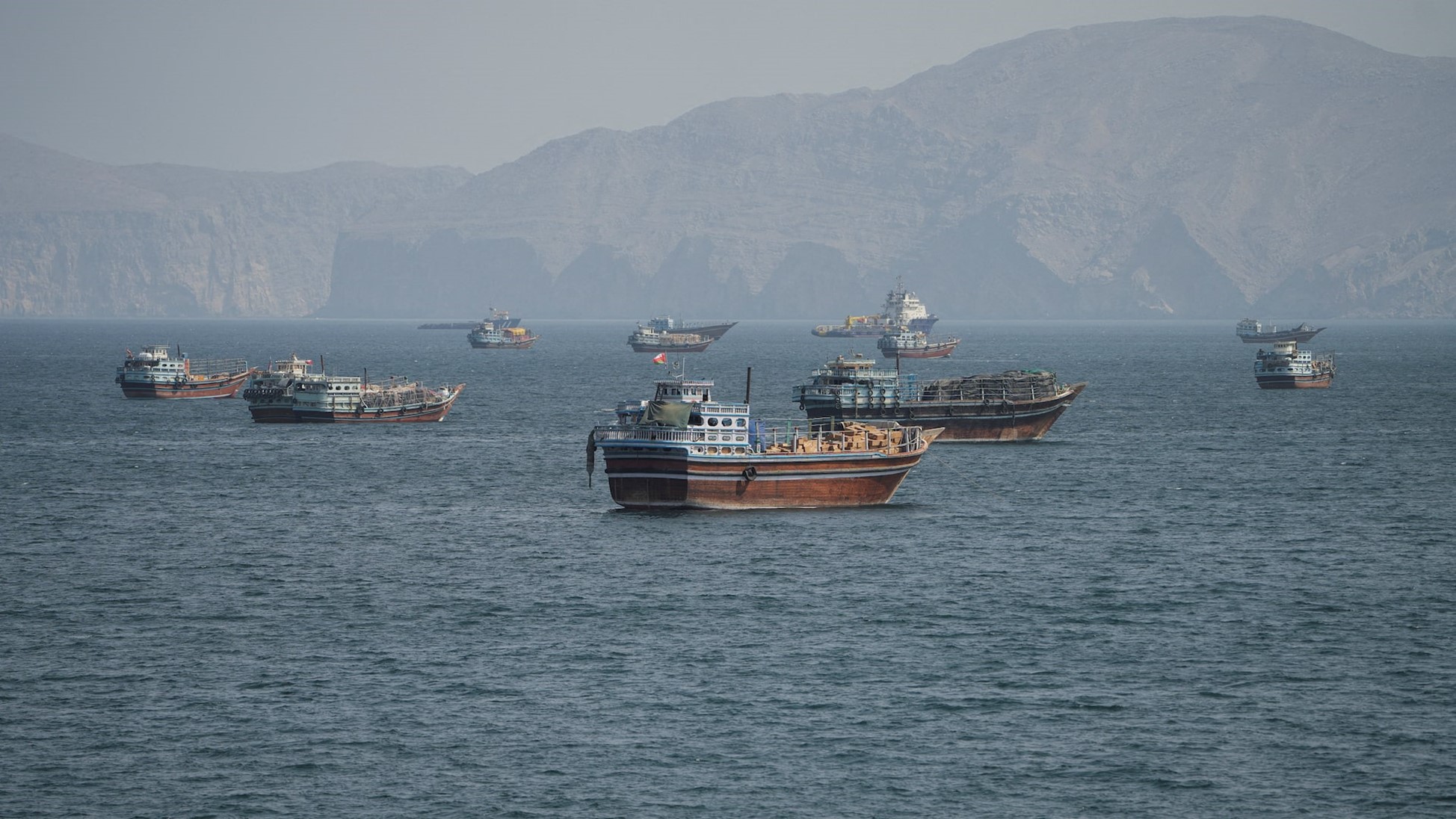
Despite the easing in crude prices, concerns over energy supplies remain intense as fighting continues around the Strait of Hormuz, through which roughly 20 per cent of global oil supplies normally pass.
Shipping activity through the strategic waterway has slowed sharply. Data showed that only four vessels transited the Strait on Sunday, compared with eight the previous day, reflecting growing security concerns among tanker operators.
The situation worsened after Iran’s Islamic Revolutionary Guard Corps claimed that two oil tankers were immobilised by explosions while navigating what it described as an unsafe southern route through the Strait. Although the claims could not be independently verified, the reports added to market anxiety.
Maritime security officials also reported that a vessel was on fire off the coast of Oman, further heightening fears over the safety of commercial shipping in the Gulf.
The uncertainty has already begun to hit consumers.
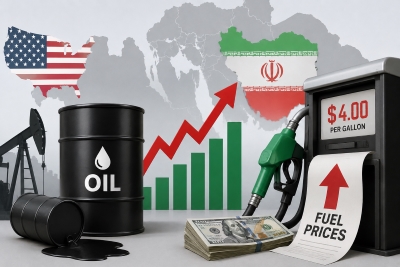
In the United States, the national average price of gasoline climbed above the psychologically important $4-per-gallon mark for the first time since March, according to the American Automobile Association (AAA).
Average pump prices have jumped by more than 30 per cent since renewed military action involving the United States, Israel and Iran intensified earlier this year, placing additional pressure on household budgets and threatening to become a major political issue ahead of the U.S. midterm elections.
Analysts say retail fuel prices have risen in tandem with crude oil, which has gained about 16 per cent since the collapse of the U.S.-Iran truce. Tight fuel inventories in the United States and reduced refining capacity in Russia following attacks on energy infrastructure have added further upward pressure.
Although Gulf producers increased crude exports during the first half of July, shipping volumes through the Strait of Hormuz have since slowed significantly as security risks escalated.
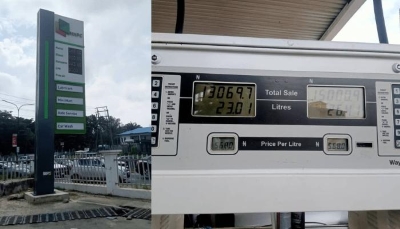
For motorists around the world—including in fuel-importing countries like Nigeria—the continuing instability in the Middle East underscores how quickly geopolitical tensions can translate into higher fuel costs, increased transport expenses and renewed inflationary pressures.
While fresh diplomatic efforts have provided a glimmer of hope, energy markets remain on edge, with traders closely watching whether negotiations can prevent further escalation or whether another disruption in the Gulf will trigger an even sharper surge in global oil and fuel prices.
©Copyright MOTORING WORLD INTERNATIONAL. All rights reserved. Materials, photographs, illustrations and other digital content on this website, may not be reproduced, published, broadcast, rewritten or redistributed in whole or in part without prior written permission from Motoring World International
Contact: editor@motoringworldng.com