YEMI AROGUNDADE
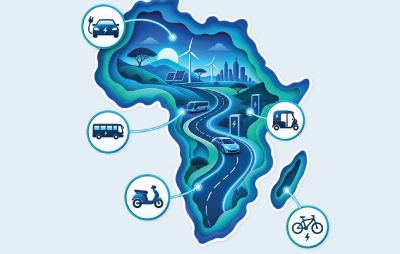
Africa has the minerals the world needs for electric vehicle batteries. Yet the continent captures less than five per cent of the value generated across the global battery supply chain. The African Union wants to change that by processing more minerals at home, building regional battery hubs and creating demand for electric vehicles through the buses, minibuses and motorcycles Africans use every day.
As energy and transport come into focus at COP31 in Antalya, Türkiye, the continent has an industrial plan to put before investors. Its aim is to keep more of the money and jobs that come from turning lithium, nickel, manganese and graphite into products the world will buy.
African transport and energy ministers adopted the AU’s Continental Framework on Electric Mobility in April 2026. Led by Lerato Mataboge, the AU Commissioner for Infrastructure and Energy, the framework was developed with the United Nations Environment Programme and the United Nations Economic Commission for Africa.
The numbers show what is at stake. According to the framework, African countries excluding Nigeria and Angola spent US$15.3 billion on petroleum imports in 2022. Transport accounts for about 12 per cent of the continent’s greenhouse gas emissions. Electrifying some of the hardest-working vehicles on African roads could help cut fuel dependence, particularly where fleets can charge with locally generated renewable power.
Hiten Parmar, Executive Director of The Electric Mission, sees the strongest near-term business case in commercial fleets. Buses, minibuses and motorcycles cover considerable distances each day, giving operators more opportunity to recover the upfront cost through lower running expenses. The framework also urges governments to electrify public transport and official fleets to create early demand.
Rwanda offers a glimpse of what that could look like. The framework cites electric motorcycles using solar-powered battery swapping that cut operating costs by about 30 per cent. It also points to South Africa’s vehicle manufacturing base, Morocco’s component industry and East Africa’s strengths in two- and three-wheelers as building blocks for a regional supply chain.
That ambition will depend on whether countries can agree on common vehicle, battery and charging standards, and whether operators can get affordable finance. The framework proposes green bonds and microfinance, alongside investment in charging networks, power grids, technician training and battery recycling. The African Continental Free Trade Area could help connect manufacturers and buyers across borders.
The first test will come on ordinary routes. If a motorcycle rider can swap a battery quickly and finish the day with more money in hand, or a bus operator can keep vehicles on the road at lower cost, Africa will have the customers its battery and vehicle industries need to grow.
©Copyright MOTORING WORLD INTERNATIONAL. All rights reserved. Materials, photographs, illustrations and other digital content on this website, may not be reproduced, published, broadcast, rewritten or redistributed in whole or in part without prior written permission from Motoring World International
Contact: editor@motoringworldng.com