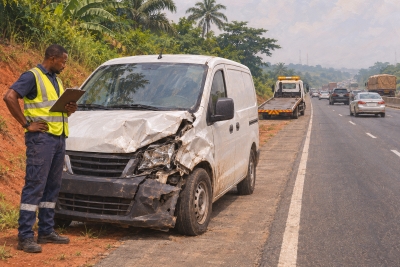
One mangled delivery van. A consignment that never arrives. A customer already calling to ask where the goods are. For a small Nigerian business that depends on a single vehicle, a crash on the Lagos–Ibadan Expressway can throw an entire week into chaos.
The repair bill is only the beginning. A replacement van may have to be hired at short notice. An injured driver may be off work. Other deliveries could pile up while the damaged vehicle sits in a workshop waiting for parts. Insurance may pick up some of the bill, but it cannot give the business back the days it has lost.
The pressure starts before the engine does.
Potholes, faded road markings and defective vehicles can all help turn a routine trip into a disaster. Road agencies have a duty to fix dangerous stretches. Vehicle owners have a duty to keep tyres, brakes and lights in working order. And some of the most consequential decisions are made in the dispatch office.
A van leaves the depot late, but the delivery deadline stays the same. A driver finishes a long run and is handed the keys for another. A supervisor keeps calling for updates while the vehicle is in motion. By the time the driver reaches the expressway, the company has already made several decisions that can make the trip more dangerous.
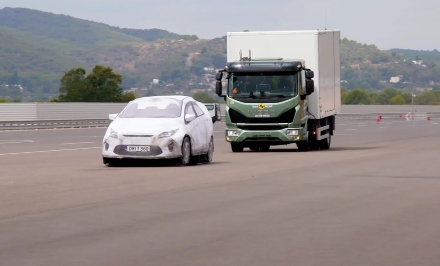
Then comes the moment that puts those decisions to the test. A lorry brakes suddenly. A driver pulls out to overtake without a clear view. Heavy rain cuts visibility while the speedometer barely moves. One bad call can leave the vehicle off the road and the business scrambling to keep its promises.
Four ways to stop paying for the same mistakes
- Find out where trouble keeps happening. Log crashes and near misses by route, time and vehicle. If the same stretch keeps coming up after dark, review whether the trip can be scheduled for daylight.
- Coach drivers on the decisions that matter. Use real incidents to talk through following distance, overtaking, phone use and when to slow down. Agree on when drivers should pull over to return a call.
- Give drivers a timetable they can actually keep. Allow for loading delays, traffic and rest. When a trip falls behind schedule, revise the delivery window so the driver has room to make safe decisions.
- Act on warning signs early. Where telematics is available, review repeated speeding or harsh braking with the driver and ask what was happening on the route. A small operator can start with a trip log and a conversation at the end of each run.
Before insisting that a late van still arrive on time, the dispatcher should ask one question. How much will that deadline cost us if the van never gets there?
©Copyright MOTORING WORLD INTERNATIONAL. All rights reserved. Materials, photographs, illustrations and other digital content on this website, may not be reproduced, published, broadcast, rewritten or redistributed in whole or in part without prior written permission from Motoring World International
Contact: editor@motoringworldng.com