ANNIE ALLEN (UK Bureau Chief)
Oil prices climbed to their highest level in nearly four weeks on Wednesday as escalating Middle East tensions and slowing traffic through the strategic Strait of Hormuz raised fresh fears of a global supply shock.
Brent crude settled 60 cents higher at $91.62 a barrel, gaining 0.7%, while U.S. West Texas Intermediate (WTI) rose 89 cents, or 1.1%, to $85.83.
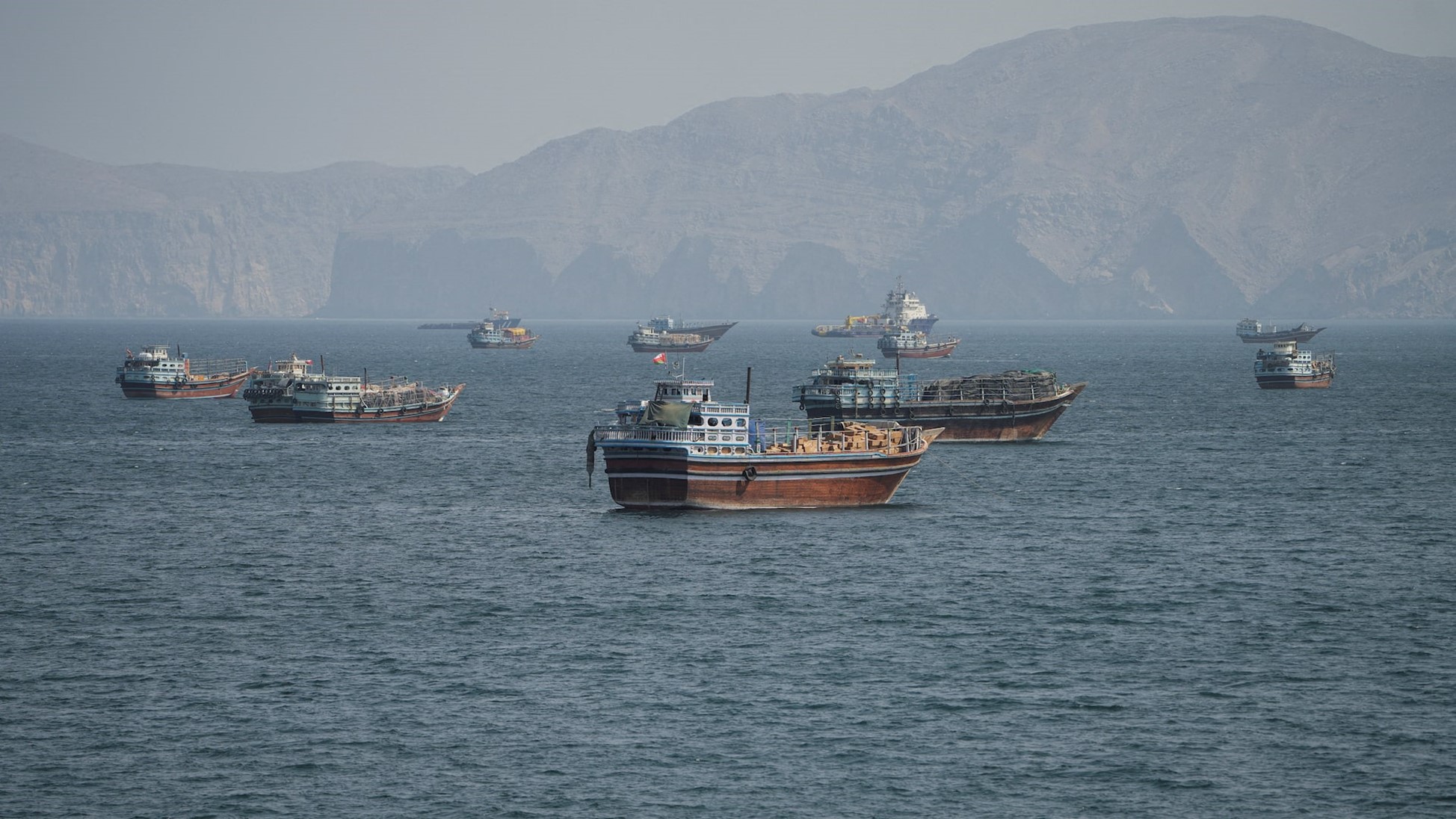
The latest rally came as the market digested growing signs that the Middle East crisis could worsen. The United Arab Emirates has suspended financial and economic transactions with Iran, while shipping traffic through the Strait of Hormuz—a crucial artery for global energy supplies—remains unusually low.
The ceasefire agreement that had temporarily eased tensions expired on Monday, with a senior Iranian official reportedly warning that the diplomatic stalemate was pushing Tehran towards a new course.
The situation could become even more explosive if the conflict widens. The Financial Times, citing sources, reported that Iran is considering military targets in Europe should U.S. President Donald Trump escalate the war.
Hormuz Becomes Oil Market Flashpoint
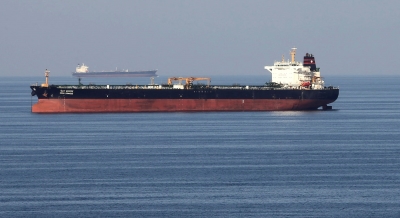
For oil traders, the biggest concern remains the Strait of Hormuz. Before the U.S.-Israeli war with Iran began in late February, about one-fifth of global oil and liquefied natural gas supplies passed through the waterway.
Kpler data showed that only six commodity vessels crossed the strait on Tuesday, compared with nine the previous day and a 10-day average of 11.
Analysts warn that a prolonged disruption could push crude prices sharply higher.
“Brent’s move above $91 a barrel suggests traders are pricing in a higher risk premium,” said Ahmad Assiri, research strategist at Pepperstone, warning that prices could potentially return to triple-digit territory.
Russia Adds Another Supply Concern
The supply outlook has also been clouded by disruptions to Russian oil exports.
Shipments from Russia’s western ports fell to about 2.3 million barrels per day during the first half of August—around 15% below the initial loading plan—following disruptions at the Black Sea port of Novorossiysk.
Meanwhile, U.S. crude inventories increased by 4.4 million barrels to 428.8 million barrels last week, according to the Energy Information Administration (EIA), providing some relief against fears of tightening supplies.
But strong refining demand continues to support crude prices. U.S. refinery utilisation rose one percentage point to 97.2%, while refiners globally have been aggressively buying crude amid strong margins.
Ukraine’s attacks on Russia’s refining infrastructure have also contributed to tighter global fuel supplies, according to BOK’s Kissler.
With geopolitical tensions mounting and one of the world’s most important oil routes under pressure, the market is now watching the Strait of Hormuz more closely than ever. Any major disruption could quickly turn today’s $90-plus oil market into a much more expensive energy crisis.
©Copyright MOTORING WORLD INTERNATIONAL. All rights reserved. Materials, photographs, illustrations and other digital content on this website, may not be reproduced, published, broadcast, rewritten or redistributed in whole or in part without prior written permission from Motoring World International
Contact: editor@motoringworldng.com