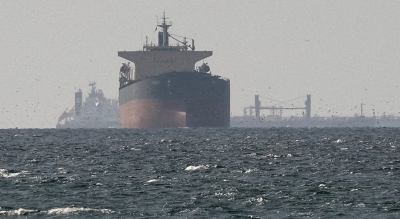
The reported breakthrough in negotiations between the United States and Iran and the expected reopening of the Strait of Hormuz have already sent global oil prices tumbling to their lowest levels in months.
This is welcome news not only for the world economy but especially for Nigerians who have borne the painful consequences of soaring fuel prices triggered by the Middle East crisis.
When tensions escalated and the Strait of Hormuz, a route for nearly one-fifth of global oil supplies, was shut, Nigerians were told that rising global crude prices would inevitably translate to higher local fuel prices. Pump prices rose. Transportation fares increased. The cost of food and other essentials climbed sharply.
Now that oil prices are falling on the back of peace efforts, Nigerians deserve to ask a simple question: If war pushed prices up, why should peace not bring them down?
This is where government must act decisively.
For too long, Nigeria has suffered from a one-way pricing culture: prices go up quickly but rarely come down. Transport fares introduced during crises become permanent. Fuel price increases triggered by temporary global shocks somehow become the new normal. Consumers bear the burden while businesses pocket windfall gains.
This cycle must end.
As soon as the peace deal is formally signed and global oil markets stabilize, the Federal Government should mount pressure on oil marketers and transport operators to review their prices downward in line with prevailing realities. While market forces should be respected, markets must also be fair.
Government agencies charged with protecting consumers and ensuring fair pricing have a crucial role to play. The relevant authorities, including consumer protection and competition regulators, must closely monitor developments to ensure that reductions in global crude prices translate into tangible relief for ordinary Nigerians.
The transport sector deserves special attention. Transport fares are a major driver of inflation in Nigeria. Once fares rise, the prices of food, goods and services quickly follow. If fuel costs decline, transport operators should be encouraged, and where necessary compelled through regulatory measures, to pass on the benefits to commuters.
Nigeria cannot continue to operate an economy where citizens absorb every increase but rarely enjoy any decrease.
This is not a call for price controls or market distortion. Rather, it is a demand for fairness, transparency and accountability. If businesses cite global developments to justify higher prices, they must also acknowledge those same developments when circumstances improve.
The benefits of peace in the Middle East should not end in international markets. They must be felt in the pockets of Nigerians.
For millions of struggling households, lower fuel and transport costs are not merely economic statistics. They are the difference between hardship and relief.
This is the moment for government to stand firmly with consumers and ensure that when global prices fall, local prices follow.
©Copyright MOTORING WORLD INTERNATIONAL. All rights reserved. Materials, photographs, illustrations and other digital content on this website, may not be reproduced, published, broadcast, rewritten or redistributed in whole or in part without prior written permission from Motoring World International
Contact: editor.motoringworldng@motoringworldng.com