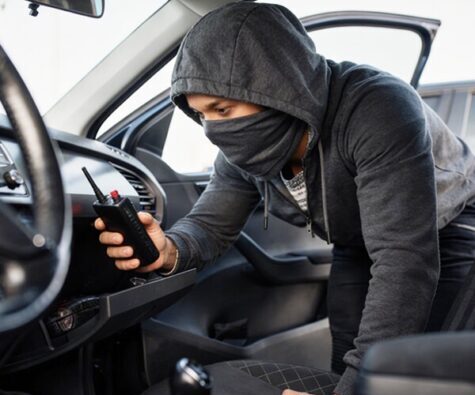
GPS trackers are often marketed as must-have anti-theft devices for cars. In Nigeria, many dealerships sell them as a “complete security solution.”
Yet the truth is, while GPS trackers can help locate a vehicle after it’s stolen, they do not prevent theft. Automotive cybersecurity experts warn that relying solely on GPS trackers leaves your car vulnerable to modern theft techniques.
Understanding these myths can help Nigerian car owners make smarter decisions about protecting their vehicles.
Myth 1: “GPS trackers can’t be disabled”
GPS trackers are designed to locate vehicles, not stop theft. In Nigeria, thieves can easily use signal jammers—portable, inexpensive devices that block GPS and mobile network signals. You don’t need special technical skills to operate them, and they can render a tracker useless within minutes.
Myth 2: “The tracker is hidden, so thieves won’t find it”
Even the most “securely hidden” tracker is not safe from professional thieves. Experts in Lagos, Abuja, and other major cities often carry radio frequency scanners or non-linear junction detectors, which can detect even well-hidden GPS devices. The notion that hiding your tracker will stop theft is outdated.
Myth 3: “The tracker signal works everywhere the car goes”
GPS signals struggle in underground garages, enclosed warehouses, or buildings with thick concrete walls. Some thieves even use metal enclosures or trailers designed to block signals. In Nigeria, where vehicles are often moved through informal garages or temporary holding locations, relying on GPS alone is risky.
Myth 4: “Signal jammers are only used by professional thieves”
Signal jammers are cheap and widely available online. They are no longer the exclusive tools of professional syndicates. With theft evolving in Nigeria, even amateur car thieves can easily defeat a GPS-only security setup.
Myth 5: “A GPS tracker guarantees insurance recovery”
A GPS tracker may help locate a stolen vehicle if it hasn’t been disabled, but by the time the car is recovered, it could be stripped for parts or moved across state borders. Nigerian insurance companies usually pay depreciated value, not the purchase price, meaning you rarely recover the full investment. Tracking alone is not a guarantee of compensation or prevention.
The Bottom Line
GPS trackers in Nigeria are reactive tools—they help locate a vehicle after theft, but do not prevent thieves from stealing it. Modern, effective car security uses multiple layers of protection:
- Owner-authorisation radio tags
- Relay blockers and immobilizers
- Verification systems like interior button codes
Dealerships may try to sell GPS trackers as “full protection,” but buyers should insist on comprehensive security systems that actively stop theft. Don’t wait until your tracker is disabled and your car is gone—invest in real protection.
©Copyright MOTORING WORLD INTERNATIONAL. All rights reserved. Materials, photographs, illustrations and other digital content on this website, may not be reproduced, published, broadcast, rewritten or redistributed in whole or in part without prior written permission from Motoring World International
Contact: editor@motoringworldng.com