FEMI OWOEYE
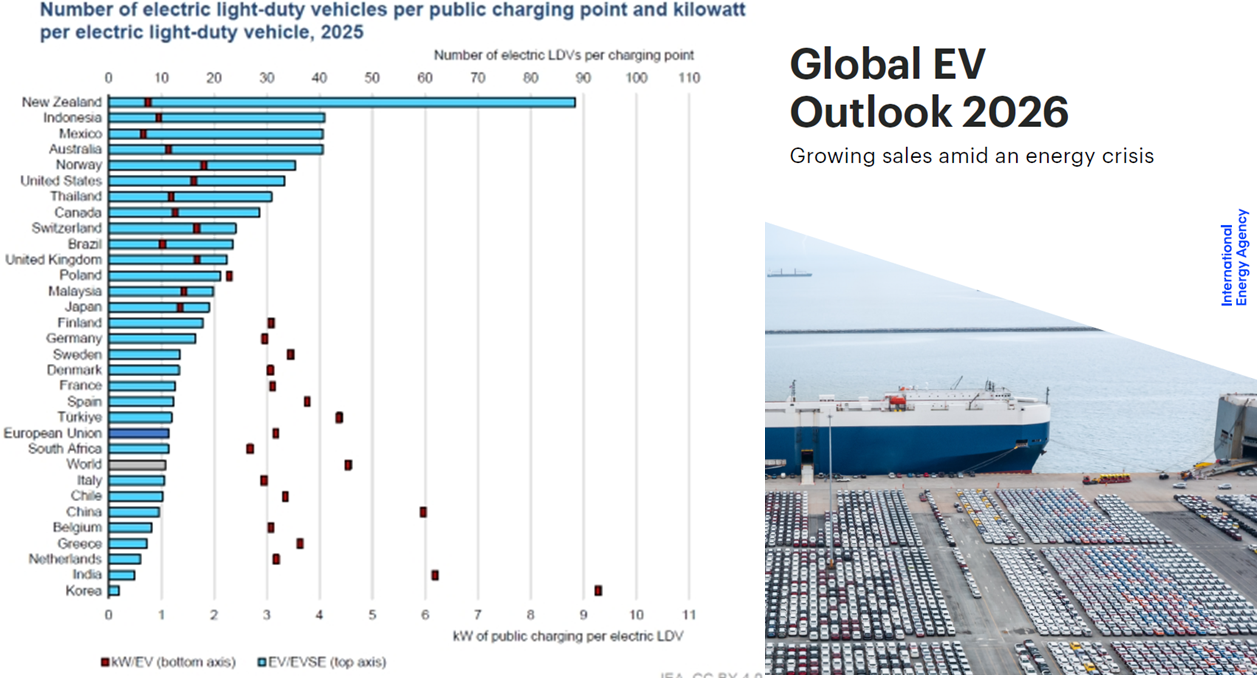
The global electric vehicle revolution is accelerating dramatically, with nearly one in every three new cars expected to be electric in 2026, according to the latest International Energy Agency (IEA) Global Electric Vehicle Outlook.
Driven by rising fuel prices, geopolitical tensions and growing consumer frustration over unstable petrol costs, the world is rapidly shifting away from fossil fuel-powered transportation, a development that could reshape the future of Nigeria’s automotive and energy sectors.
The report projects global EV sales will hit an astonishing 23 million units this year, while the worldwide electric vehicle fleet is expected to surge from 80 million today to over 510 million by 2035.
While China remains the dominant force, electric vehicle adoption is now exploding across emerging markets. EV sales jumped by 80 percent in the Asia-Pacific region and 75 percent in Latin America in the first quarter of 2026 alone.
For Nigeria, where petrol price volatility, foreign exchange pressures and rising transportation costs continue to affect consumers and businesses, the global EV transition presents both a major challenge and a huge economic opportunity.
Across Africa, leaders are already moving to position the continent for the electric mobility era. At recent African Union Transport and Energy meetings, ministers adopted the Johannesburg Declaration, a landmark agreement designed to accelerate infrastructure development, expand energy access and drive sustainable mobility through the Continental Framework on Electric Mobility in Africa.
Industry stakeholders believe Nigeria, Africa’s largest economy and one of the continent’s biggest automotive markets, cannot afford to remain on the sidelines as the EV revolution gathers momentum globally.
Executive Director of The Electric Mission, Hiten Parmar, said the declaration demonstrates that African leaders now recognise electric mobility as both an industrial and economic priority.
According to him, falling battery costs and more competitive EV manufacturing are making electric vehicles increasingly affordable worldwide, creating opportunities for African countries to leapfrog into cleaner transportation and renewable energy.
Analysts also note that Africa’s vast mineral reserves critical to battery production could position the continent as a major player in the future global EV supply chain.
For Nigeria, experts say the moment calls for urgent investments in charging infrastructure, stable electricity supply, local assembly capacity and supportive government policies capable of attracting EV manufacturers and technology investors.
With the global automotive industry rapidly pivoting toward cleaner mobility, many now believe Nigeria faces a defining choice, lead Africa’s EV transition or risk being left behind in the next automotive revolution.
©Copyright MOTORING WORLD INTERNATIONAL. All rights reserved. Materials, photographs, illustrations and other digital content on this website, may not be reproduced, published, broadcast, rewritten or redistributed in whole or in part without prior written permission from Motoring World International
Contact: editor.motoringworldng@motoringworldng.com