FEMI OWOEYE
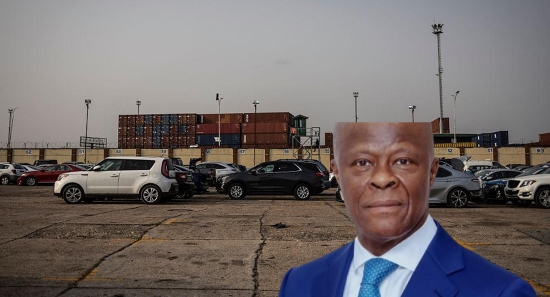
In a dramatic policy twist that is already sending shockwaves through Nigeria’s automotive ecosystem, the Federal Government has slashed import duties on vehicles; but industry insiders warn the move may be a double-edged sword with far-reaching consequences.
Effective April 1, 2026, the sweeping fiscal overhaul, signed by Finance Minister Wale Edun, marks a radical departure from the 2023 framework. While the headline grabber is a massive cut in tariffs on fully built vehicles from 70% to 40%, beneath the surface lies a complex web of new taxes, restrictions, and strategic recalibrations.
At first glance, the policy looks like a win for Nigerian car buyers. Lower duties could translate into cheaper imported vehicles, potentially easing the burden on consumers battered by inflation and currency volatility. But dig deeper, and a more controversial narrative begins to emerge.
By reducing duties on fully built cars, particularly four-wheel drives and station wagons, the government may have inadvertently thrown open Nigeria’s borders to a new wave of imported vehicles.
For local assemblers already struggling under high production costs, unstable forex, and weak infrastructure, this could spell disaster.
Industry observers fear the policy could undermine years of effort under the National Automotive Industry Development Plan (NAIDP), a framework designed to nurture local manufacturing by making imports less attractive.
Now, with tariffs nearly halved, the competitive advantage may swing sharply back to foreign-built cars.
But the government isn’t simply opening the floodgates, it is also tightening control in other areas.
The introduction of an Import Adjustment Tax on 192 tariff lines signals a quiet but significant shift. While officials insist the tax is temporary, scheduled for gradual elimination by 2036, it raises immediate concerns about cost unpredictability for importers and manufacturers alike.
Add to that a 17-item import prohibition list targeting non-ECOWAS countries, and the policy begins to look less like liberalization and more like a carefully engineered balancing act.
In a bid to soften the blow and stimulate industrial growth, the government has rolled out zero import duty on critical assets, including agricultural machinery, manufacturing equipment, railway locomotives, and large cargo vessels.
Vehicles under 2000cc, mass transit buses, electric vehicles, and locally manufactured components are exempted from new environmental surcharges. On paper, this aligns with global sustainability trends.
But critics argue the incentives may not be enough to offset the broader damage to local vehicle assembly, especially if cheaper imports dominate showroom floors.
To cushion the transition, a 90-day grace window has been granted to importers with pre-existing trade documentation. But many stakeholders see this as merely a brief pause before market disruption.
From July 2026, new excise duties will kick in, followed by further adjustments in 2027 and 2028, setting the stage for a constantly shifting fiscal environment.
The government insists the reforms are part of Nigeria’s alignment with ECOWAS Common External Tariff and broader economic growth strategy. Yet, the contradictions are hard to ignore.
On one hand, Abuja claims to support local industry. On the other, it is making imports significantly more attractive.
On one hand, it promotes cleaner mobility. On the other, it risks weakening the very industrial base needed to produce those technologies locally.
Is this a bold economic reset or a policy misstep that could stall Nigeria’s automotive ambitions?
As the dust settles, one thing is certain: Nigeria’s auto industry is heading into one of its most turbulent transitions in recent history.
And in this high-stakes game of tariffs, taxes, and trade, the real winners and losers, will soon emerge.
©Copyright MOTORING WORLD INTERNATIONAL. All rights reserved. Materials, photographs, illustrations and other digital content on this website, may not be reproduced, published, broadcast, rewritten or redistributed in whole or in part without prior written permission from Motoring World International
Contact: editor.motoringworldng@motoringworldng.com