Crude prices fell more than $1 a barrel on Monday, but the retreat offered little comfort to energy markets as investors braced for tougher U.S. sanctions on Iran and the threat of further disruption to Middle East oil supplies.
Brent crude fell $1.01, or 1.1%, to $93.38 a barrel, while U.S. West Texas Intermediate dropped $1.42, or 1.6%, to $85.64 by 1316 GMT.
The decline came after both benchmarks surged for a second consecutive week, gaining more than 5% last week as stalled U.S.-Iran peace talks and restrictions on shipping through the Strait of Hormuz intensified fears of a prolonged supply squeeze.
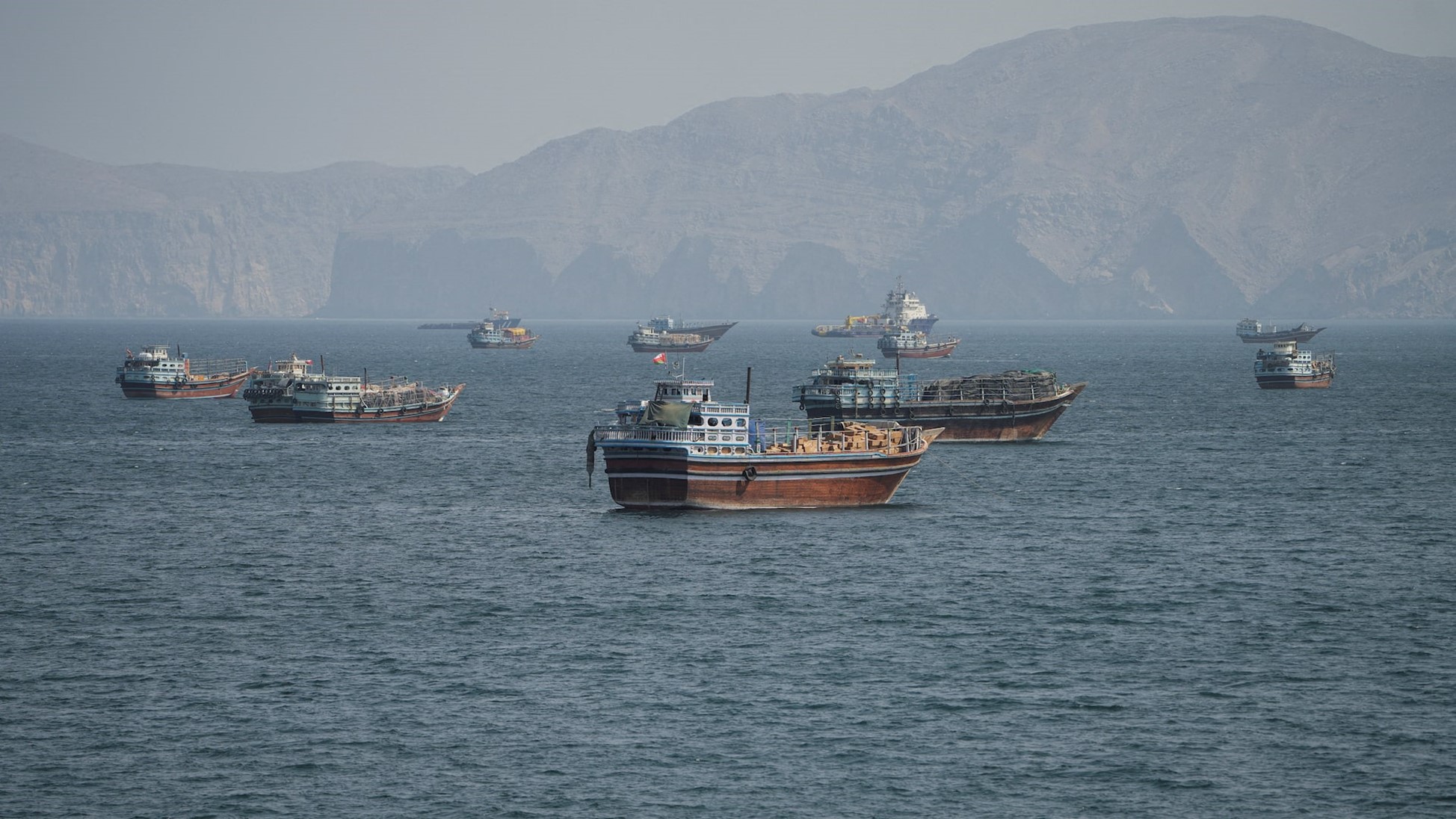
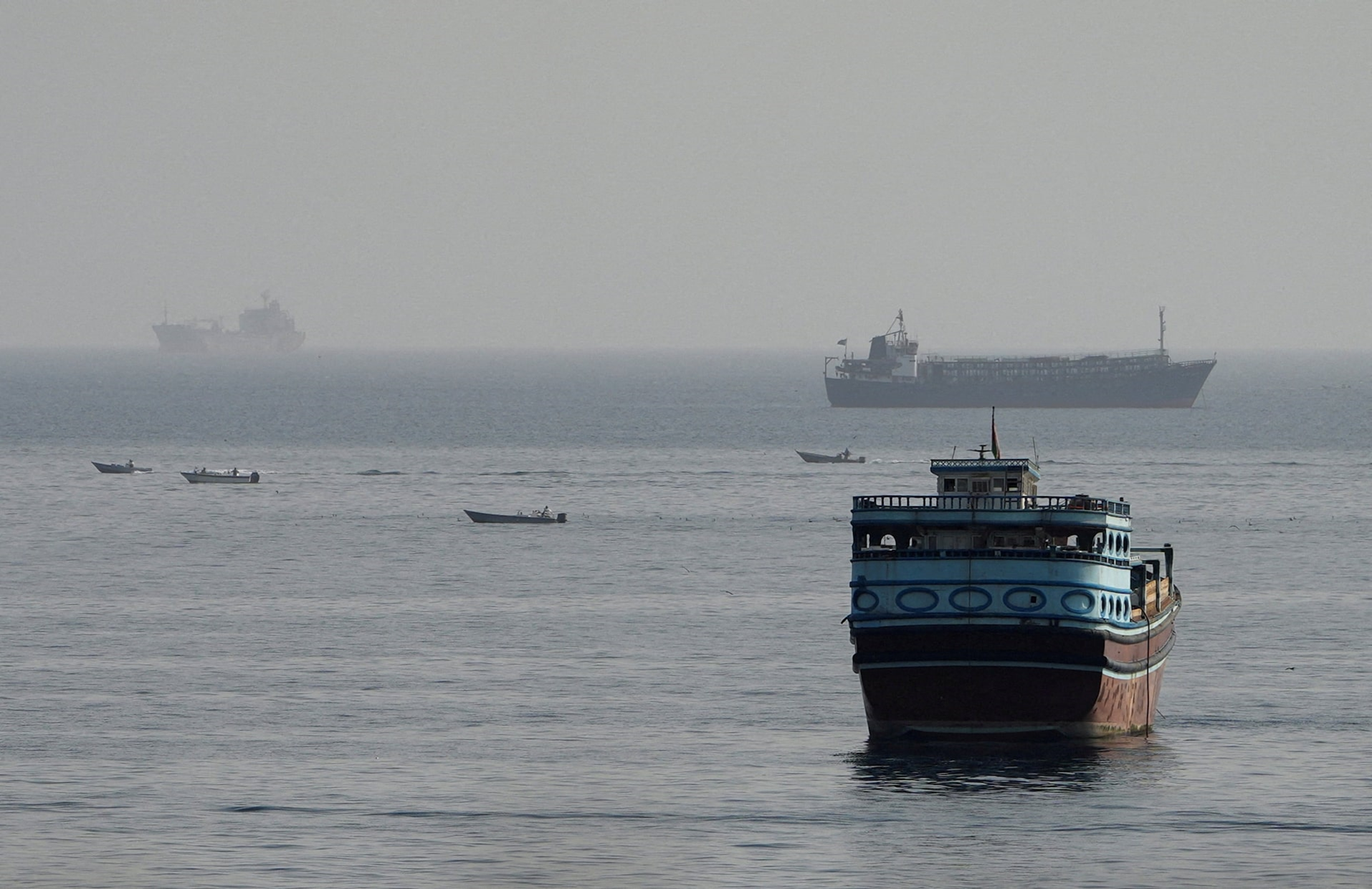
The Strait, one of the world’s most critical oil chokepoints, normally carries about one-fifth of global oil supplies. But shipping traffic has now plunged, with fewer than 20 commodity vessels passing through during the weekend, according to shipping data.
The biggest threat to the market may still be ahead.
U.S. Treasury Secretary Scott Bessent was due to announce new measures against Iran, with Washington threatening what it described as “the toughest sanctions in history.” President Donald Trump has also warned that Iran’s trading partners could face sanctions.
Analysts fear the measures could further choke Iranian oil exports and provoke retaliation against energy infrastructure across the region.
“If the pledged embargo is launched, oil supply from the region will fall,” said PVM analyst Tamas Varga, warning that tighter restrictions could trigger an Iranian response.
Yet oil has not exploded towards $120-$150 a barrel—a sign that some crude is still finding its way through the Persian Gulf.
SEB analyst Bjarne Schieldrop noted that Brent trading around $93 indicates that “enough oil is flowing” through Hormuz and the wider Gulf. But he warned that the market could face a dramatic turning point if Iran attempts to shut the strait completely using rockets and drones.
Iran has meanwhile rejected the threatened U.S. sanctions, with President Masoud Pezeshkian calling for diplomacy. Pakistan’s army chief was also in Tehran for mediation efforts ahead of Washington’s announcement.
There are signs that some oil traffic is still being preserved. Iran has allowed several Iraqi tankers to pass through Hormuz following requests from Baghdad, while Iraq’s SOMO and QatarEnergy have offered crude for loading inside the strait.
TotalEnergies CEO Patrick Pouyanne said the company was still moving oil through the chokepoint profitably, with higher shipping costs offset by steep discounts from crude producers.
But the market remains firmly on alert.
Brent has already climbed from around $71 a barrel in June to about $92, driven by falling inventories and growing fears that the Middle East disruption could persist.
Morgan Stanley has raised its forecast and now sees Brent potentially hitting $100 a barrel in the fourth quarter.
For now, however, traders are taking profits and waiting to see whether Washington’s next move against Tehran turns today’s oil-market anxiety into another price shock.
©Copyright MOTORING WORLD INTERNATIONAL. All rights reserved. Materials, photographs, illustrations and other digital content on this website, may not be reproduced, published, broadcast, rewritten or redistributed in whole or in part without prior written permission from Motoring World International
Contact: editor@motoringworldng.com