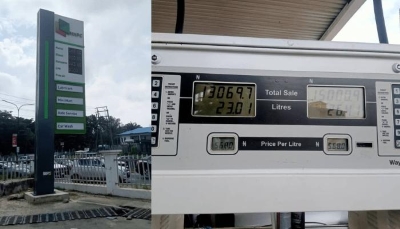
The Nigeria Auto Journalists Association (NAJA) has called on President Bola Ahmed Tinubu to urgently increase the supply of crude oil to domestic refineries as a strategic step to stabilise Nigeria’s rising fuel prices.
The association said guaranteeing adequate crude allocation to local refining plants, particularly the Dangote Refinery, would significantly reduce the country’s exposure to global oil market disruptions currently influencing petrol prices.
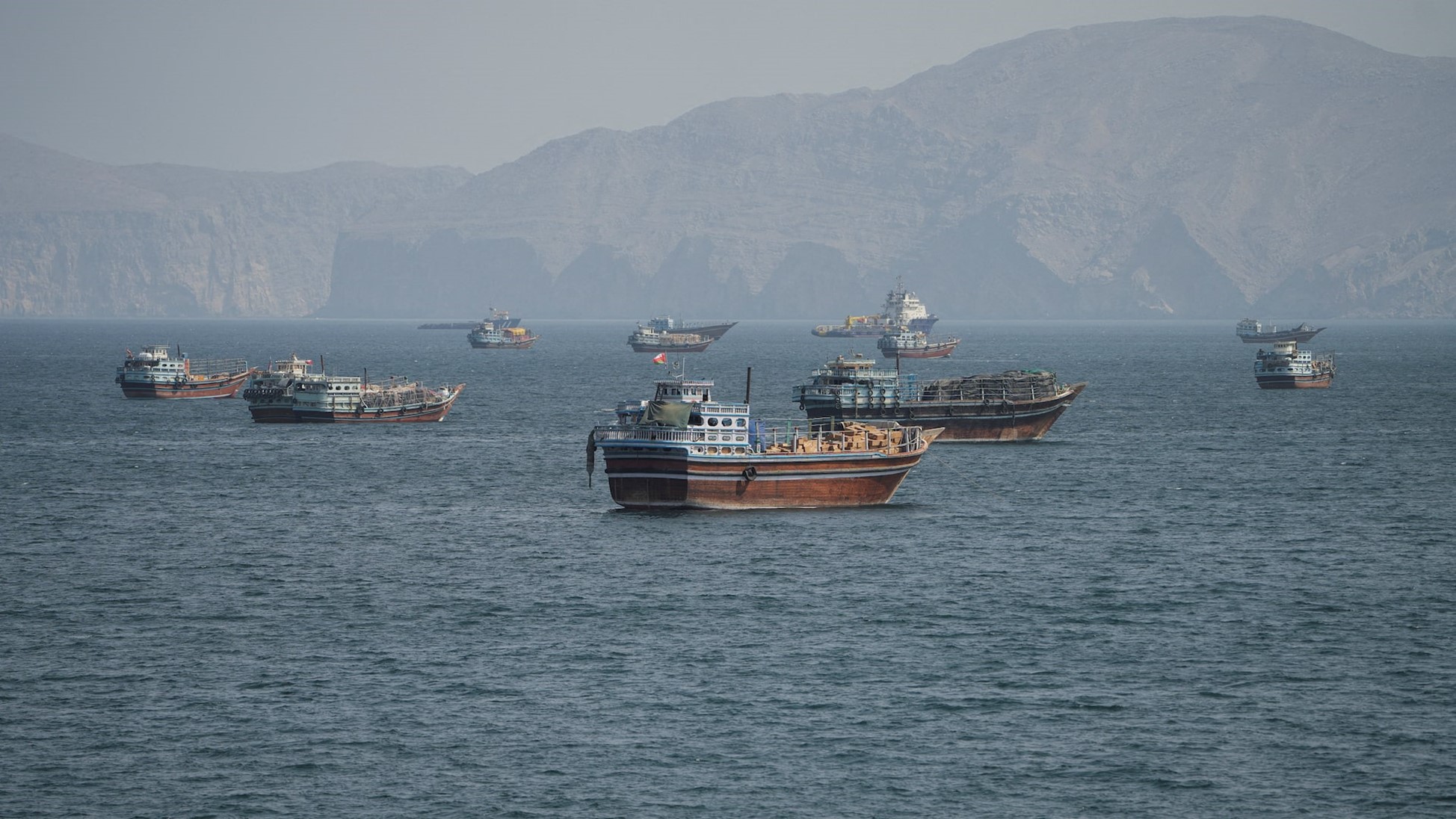
NAJA’s position comes amid growing concern over volatility in the global energy market triggered by tensions in the Middle East, which has begun to impact the cost of refined petroleum products in several countries, including Nigeria.
Speaking on the issue, NAJA Chairman Theodore Opara urged the Federal Government to ensure that domestic refineries receive consistent crude supply directly from the Nigerian National Petroleum Company Limited, preferably through transactions denominated in naira.
According to him, increasing crude allocation to local refineries would strengthen Nigeria’s refining capacity, reduce reliance on imported petroleum products and help stabilise the downstream sector.
Opara noted that the current situation, where the Dangote Refinery still imports a substantial portion of its crude feedstock, makes the facility vulnerable to fluctuations in the international oil market.
“If local refineries receive more crude oil directly from NNPC, it will reduce their dependence on international supply channels and help protect the domestic market from global price shocks,” he said.
The association acknowledged the Federal Government’s recent plan to roll out 100,000 Compressed Natural Gas (CNG) conversion kits nationwide as part of efforts to cushion the impact of rising petrol costs on motorists and commuters.
While describing the CNG initiative as a commendable step towards alternative energy adoption in transportation, NAJA emphasised that strengthening domestic refining remains the most immediate and sustainable solution to Nigeria’s fuel price challenges.
Opara stressed that Nigeria, despite being Africa’s largest crude oil producer, continues to face fuel price volatility largely because its refining potential has not been fully harnessed.
Industry analysts also argue that allocating crude oil to domestic refineries in naira could ease pressure on the country’s foreign exchange reserves while helping to stabilise the local fuel market.
NAJA maintained that a policy combining increased crude supply to local refineries with the gradual expansion of alternative fuels such as CNG would create a more resilient strategy for protecting Nigerian motorists from global energy market shocks.
©Copyright MOTORING WORLD INTERNATIONAL. All rights reserved. Materials, photographs, illustrations and other digital content on this website, may not be reproduced, published, broadcast, rewritten or redistributed in whole or in part without prior written permission from Motoring World International
Contact: editor@motoringworldng.com