European and African oil markets are in turmoil. Physical crude prices are smashing records even after a U.S.-Iran ceasefire sent futures tumbling below $100 a barrel.
North Sea Forties crude surged to an all-time high of $146.43 a barrel on Thursday, as Asian and European refiners scramble for supply outside the Middle East. Traders warn that the disruption could drag on for months.
“The supply chain won’t fully recover soon,” says Neil Crosby of Sparta Commodities. “Expect this gap between paper and physical prices to persist.”
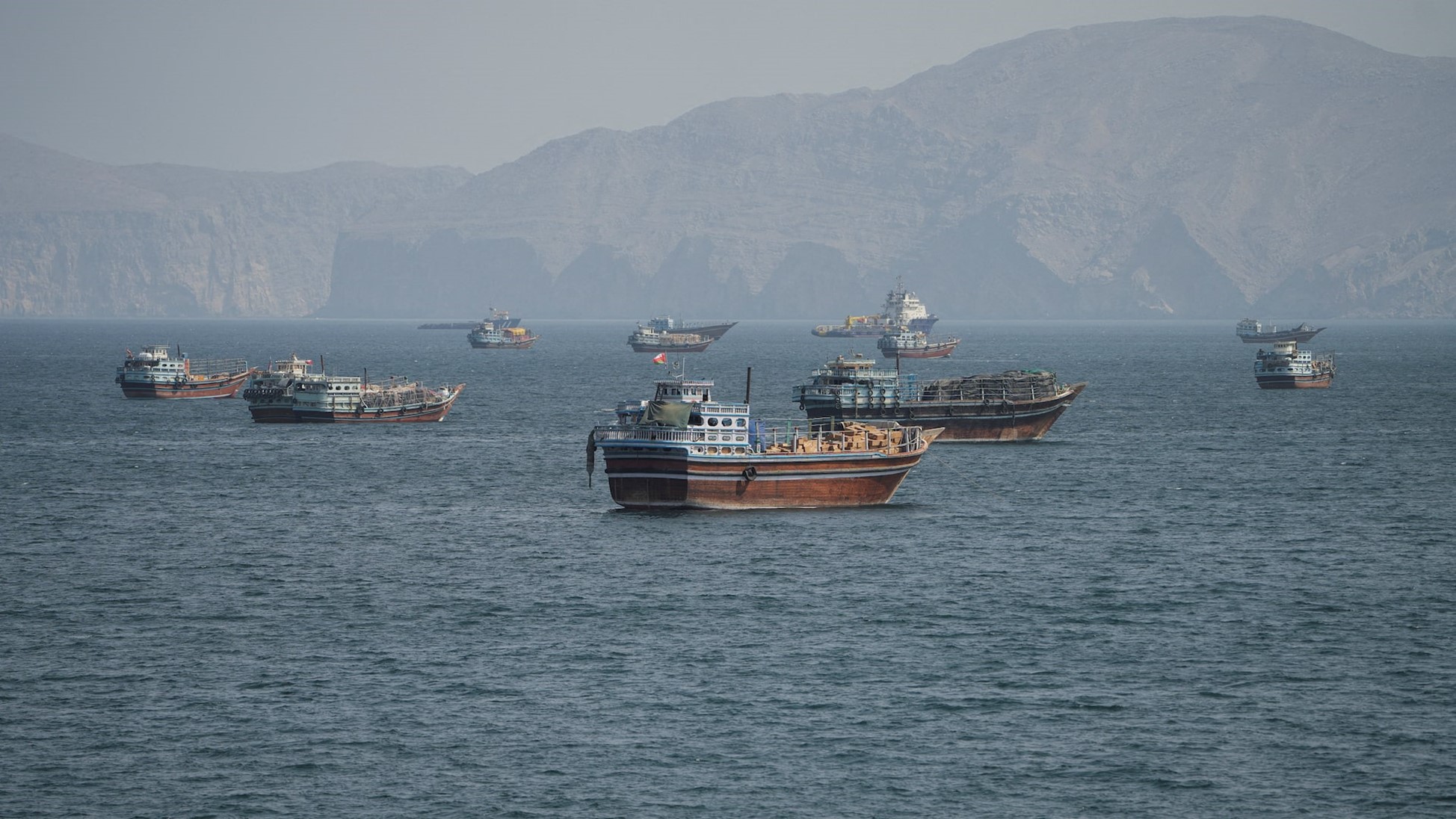
The Strait of Hormuz remains tense. Attacks on regional energy infrastructure keep premiums at historic highs. Forties traded $20.25 above dated Brent, while West African Cabinda crude hit $10 above dated Brent—both record levels.
Even major North Sea grades like Brent, Oseberg, Ekofisk, and Troll are fetching unprecedented premiums. U.S. WTI Midland crude delivered to Europe traded at a $20.70 premium—the highest ever.
Despite the ceasefire, energy operators are reluctant to restart refineries or fields, wary of sudden shutdowns. Analysts note that temporary deals won’t quickly restore physical flows.
The divergence between futures and physical markets shows a stark reality: the world faces months of supply uncertainty, surging costs, and historic premiums. Oil may be cheaper on paper, but at the pump and in the barrels that matter—the market is scorching hot.
©Copyright MOTORING WORLD INTERNATIONAL. All rights reserved. Materials, photographs, illustrations and other digital content on this website, may not be reproduced, published, broadcast, rewritten or redistributed in whole or in part without prior written permission from Motoring World International
Contact: editor.motoringworldng@motoringworldng.com