

The global auto industry is sending a message that Nigeria cannot afford to ignore. After years of aggressive electric-vehicle targets, major markets are slowing down. The U.S. is easing fuel economy rules. Europe is backing away from its 2035 engine ban. And China is witnessing a consumer shift back toward petrol power. EY’s new report confirms it: global appetite for internal combustion engines is rising again.
For Nigeria, this global reset presents an opportunity, not a hurdle.
While other nations rethink their timelines, Nigeria already has a realistic transition pathway: the Presidential CNG Initiative (P-CNG). With abundant natural gas, existing technical know-how, and significantly lower running costs, CNG is the country’s most achievable and strategic bridge fuel.
What Nigeria needs now is decisive execution.
Government should make it mandatory or strongly incentivise for every petrol station nationwide to install at least one CNG pump. This single policy would fast-track adoption, reduce transportation costs, and anchor our mobility transition on a resource we own.
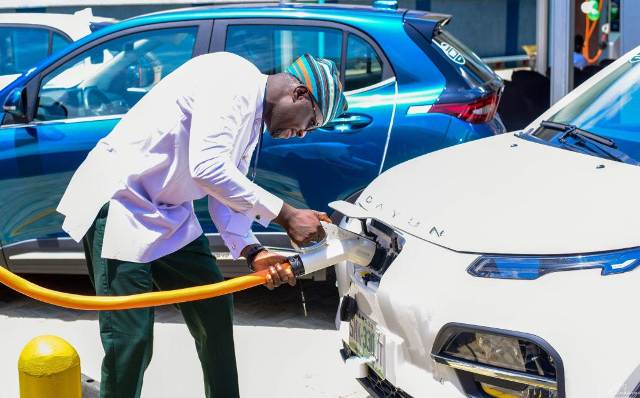
But embracing CNG today does not mean abandoning EVs tomorrow. Nigeria can and should grow both tracks side by side. Our abundant sunshine and rising solar capacity make solar-powered EV charging a natural fit for local realities.
Just as importantly, Nigeria’s lithium reserves give us a unique chance to encourage the local production of smaller, lighter, safer batteries tailored to African road conditions rather than imported technologies designed for Europe or Asia.
The world’s current pivot shows that the future will not be defined by one technology alone. It will be a blend: combustion engines, CNG, hybrids, EVs, and innovations yet to emerge. Nigeria’s roadmap must therefore reflect our own economic realities, resource advantages, and industrial ambitions, not foreign timetables now being reversed by their authors.
As global markets rethink their strategies, Nigeria has a window to craft a mobility future that is practical, affordable, and grounded in local strengths. The direction is clear:
Back CNG aggressively now, grow EV capability steadily, and let Nigeria’s natural resources shape its automotive destiny.
©Copyright MOTORING WORLD INTERNATIONAL
All rights reserved. Materials, photographs, illustrations and other digital content on this website, may not be reproduced, published, broadcast, rewritten or redistributed in whole or in part without prior written permission from Motoring World International
Contact: editor.motoringworldng@gmail.com

